-
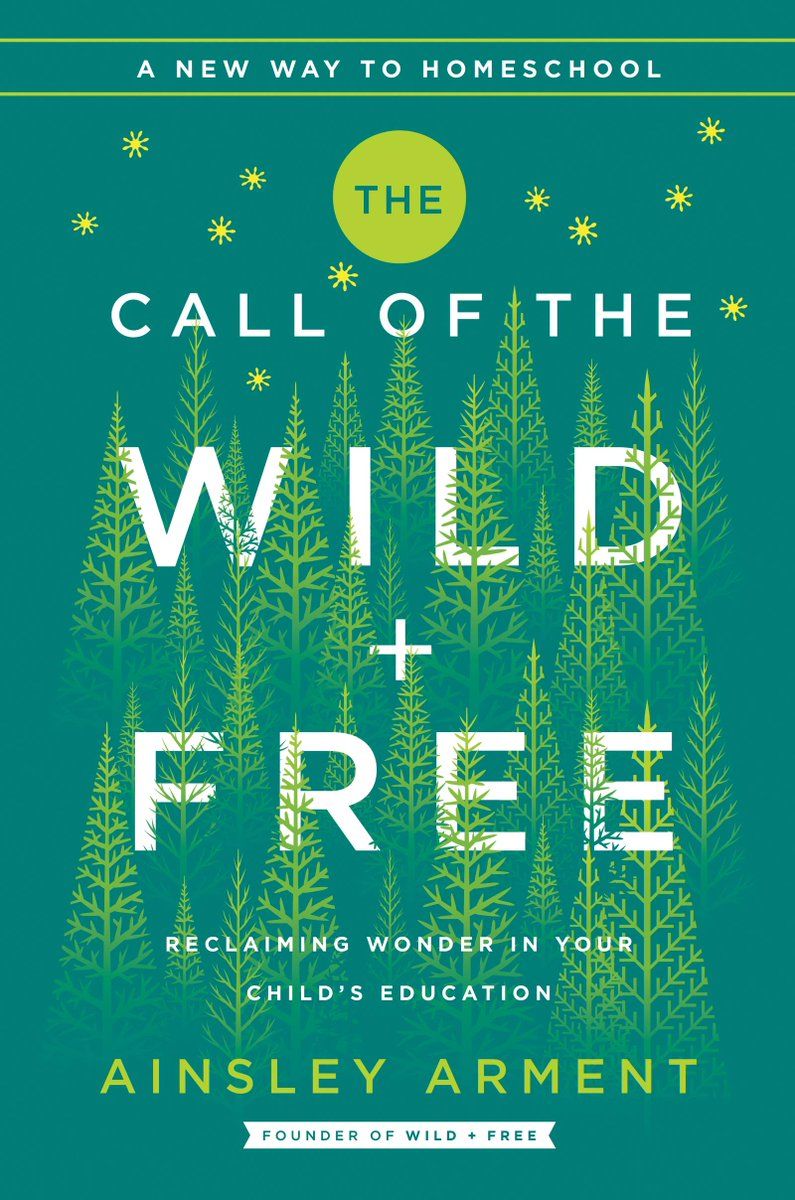
Book 10: Call of the Wild + Free by Ainsley Arment. Very accessible book about the how of homeschooling, but especially the why. I found it compassionate, unusually respectful of kids as people, insightful. Not perfect, but a worthwhile read. #2021booksPermalink On twitter.com
❤️ 1 Favorite Mood +1 🙂
-
Which is not to say the book doesn't have its issues. She insists homeschooling is possible for everyone, but there's still a lot that *feels* suburban upper-middle class. (The mention of a family trip to London to visit the Globe Theater because Shakespeare comes to mind.)Permalink On twitter.com
-
Like, there are economic issues beyond the scope of the book, but... that's because the scope of the book (and presumably the movement) choose not to recognize them front and center. Which helps keep homeschooling from really being for everyone.Permalink On twitter.com
-
I am not really that familiar with the movement being promoted in the book, mind you; and I still liked some of the ideas in the book. But... it felt "apolitical" in a way that was *not actually* apolitical at all. Maybe there's more thought on this in their forums or whatever.Permalink On twitter.com
-
I also feel like the "Wild + Free mamas" terminology is more about building a brand identification (mostly white, mostly privileged moms) than celebrating insights of parents (women and men) in the thick of homeschooling instead of just the (yes, often male) "academic experts."Permalink On twitter.com
-
But, you know, that's a small point. It's just, again: I'd think homeschooling would be a way to teach kids more sensible ideas about gender, and here the book kind of... entrenches some very conventional ideas about gender. Still worth a quick read, though.On twitter.com